Just when you thought the ceasefire held, both sides remembered they had missiles left.
Today, the world’s most dysfunctional relationship made headlines — again. Iran and Israel have reportedly paused strikes after trading fire for the first time since their April ceasefire. If this were Netflix, we’d be on Season 3 with no finale in sight.
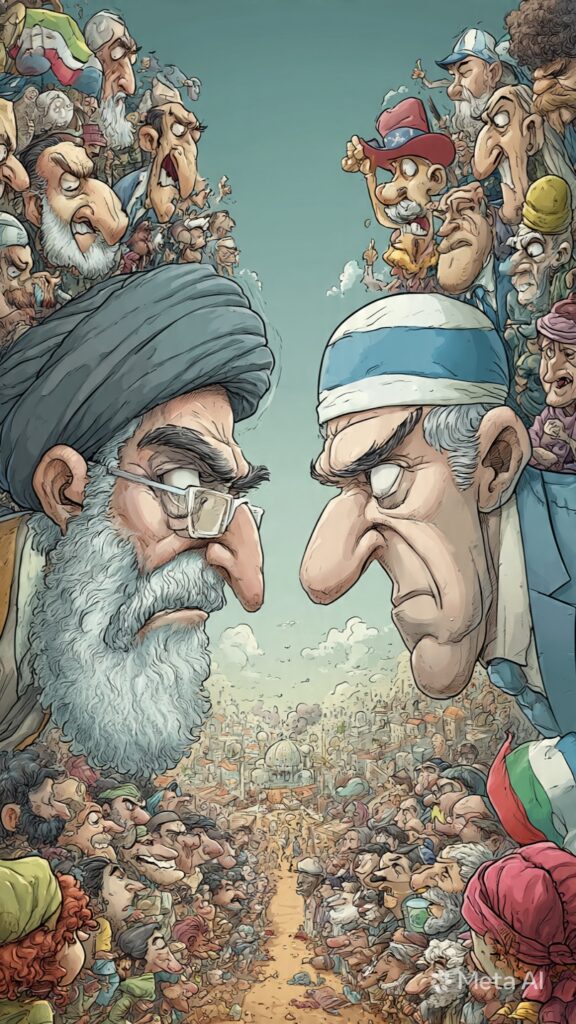
Let’s set the scene: back in February 2026, the US and Israel launched an opening salvo that, among other things, took out Iran’s Supreme Leader. Bold move. The kind of move that, in chess terms, is either checkmate or the beginning of the longest endgame in history. Spoiler: it’s the endgame.
“Israel and Iran appear to pause strikes after trading fire for the first time since April ceasefire.” — AP, June 8, 2026. The word appear is doing a lot of heavy lifting there.
The trigger this time? The IDF struck southern Beirut on June 7th — just days after the latest Lebanon ceasefire — and Iran, apparently watching the calendar, responded with waves of ballistic missiles. Israel, not to be outdone in the overreaction Olympics, fired back. Then, miraculously, both sides hit pause.
President Trump, never one to miss a cameo, demanded Iran and Israel “stop” firing at each other — while simultaneously dismissing the idea that any of this contradicts his “no new wars” campaign promise. That’s the kind of rhetorical gymnastics that would earn a perfect 10 at the Paris Olympics, if anyone remembered the Paris Olympics.
Thousands of civilians have been displaced across Lebanon. Millions across the region are living under the shadow of the next flare-up. This is not a TV drama — real people, real cities, real consequences. The missile exchange may look like a political chess match from the outside, but on the ground, it is anything but.
History lesson: the last time two neighbors in the Middle East agreed on a lasting peace, it made the Nobel Committee cry tears of joy. That was 1978. Camp David. Different zip code, different century.
So where does this leave us on June 8, 2026? Both sides are pausing. Diplomats are scrambling. Trump is tweeting. And the rest of the world is nervously refreshing its news feed while trying to remember whether the Strait of Hormuz affects their gas prices (it does).
The real question isn’t whether Iran and Israel will exchange fire again — they will, unless something structurally changes. The question is whether today’s “pause” becomes the foundation for a genuine ceasefire, or just the intermission before Act 4. Based on recent patterns, we’d advise against holding your breath — but do keep a good historian on speed dial.