There are road trips, and then there are Himalayan road trips — where every bend in the road offers either a breathtaking view or a spiritual revelation.
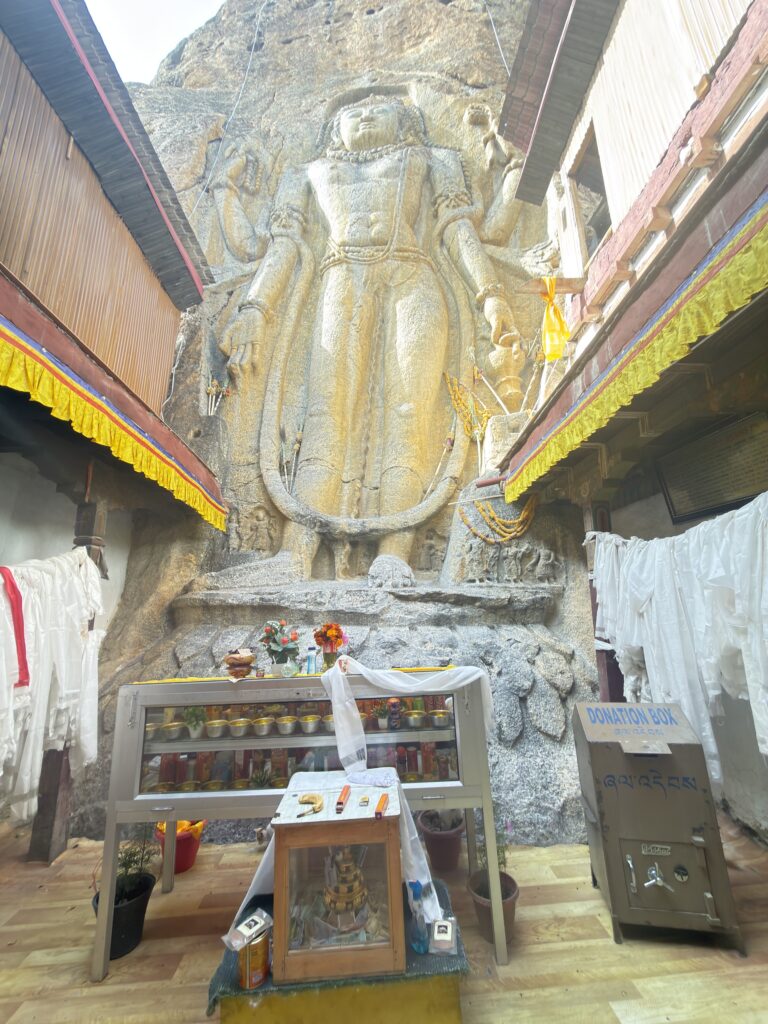
Meeting Someone Taller Than My Problems
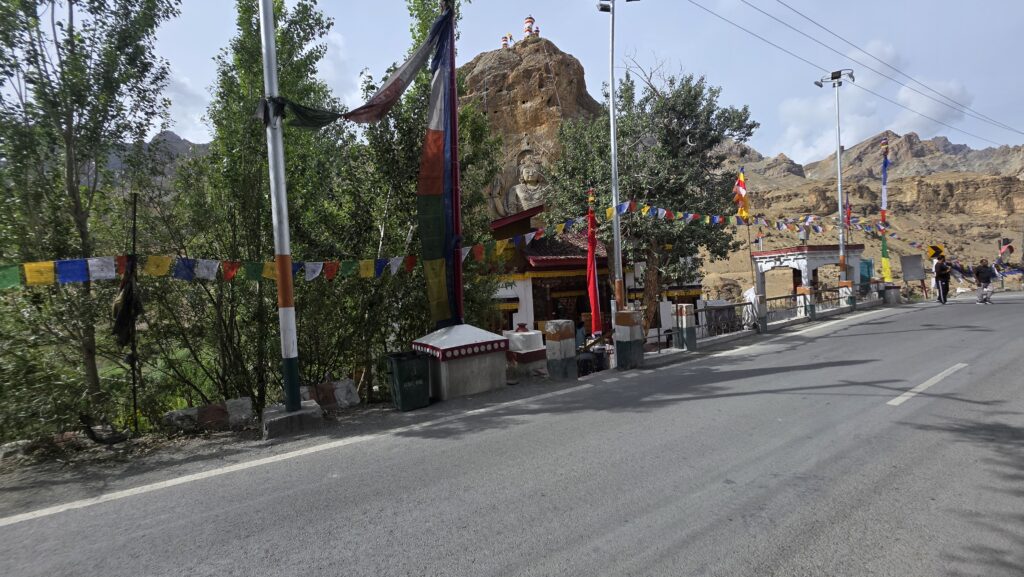
Our first stop was a Maitreya Buddha monastery, home to a towering statue of the future Buddha. Standing at the foot of the statue, I felt tiny, peaceful, and briefly convinced that all worldly worries were insignificant.
This feeling lasted until I remembered I was about to spend several more hours on mountain roads that appeared to have been designed by a committee of mountain goats.
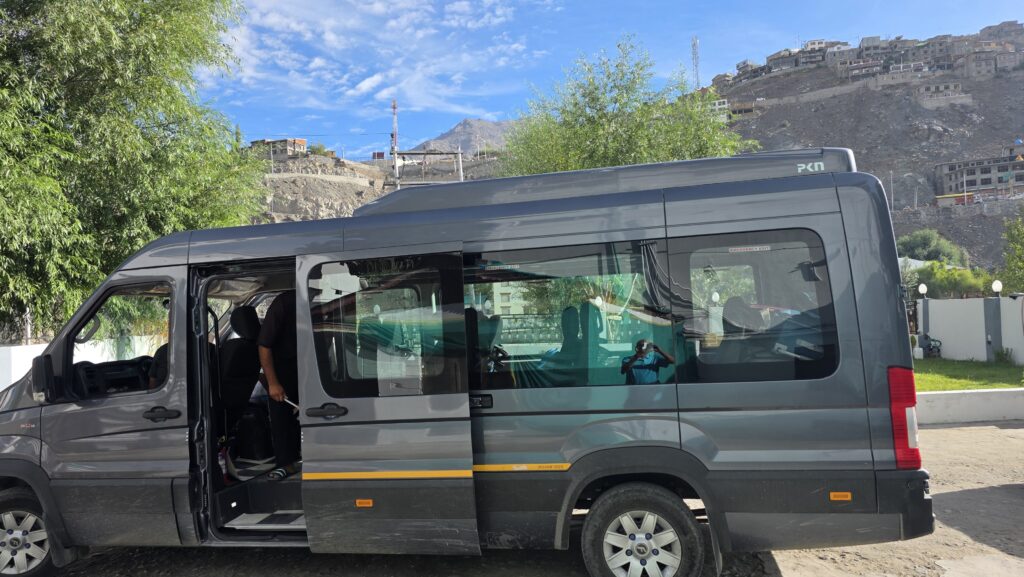
The Urbania Was Prepared. I Was Overprepared
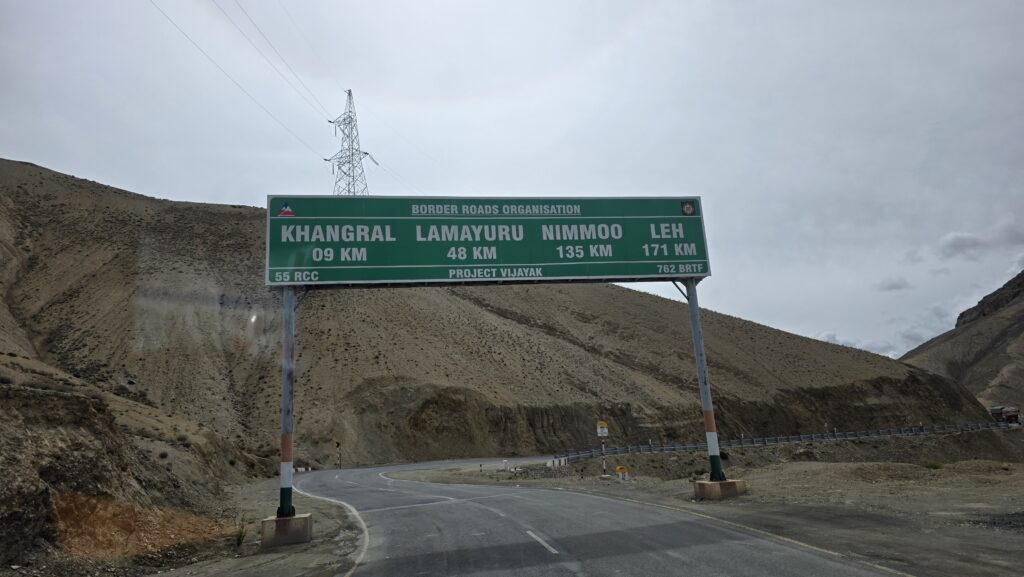
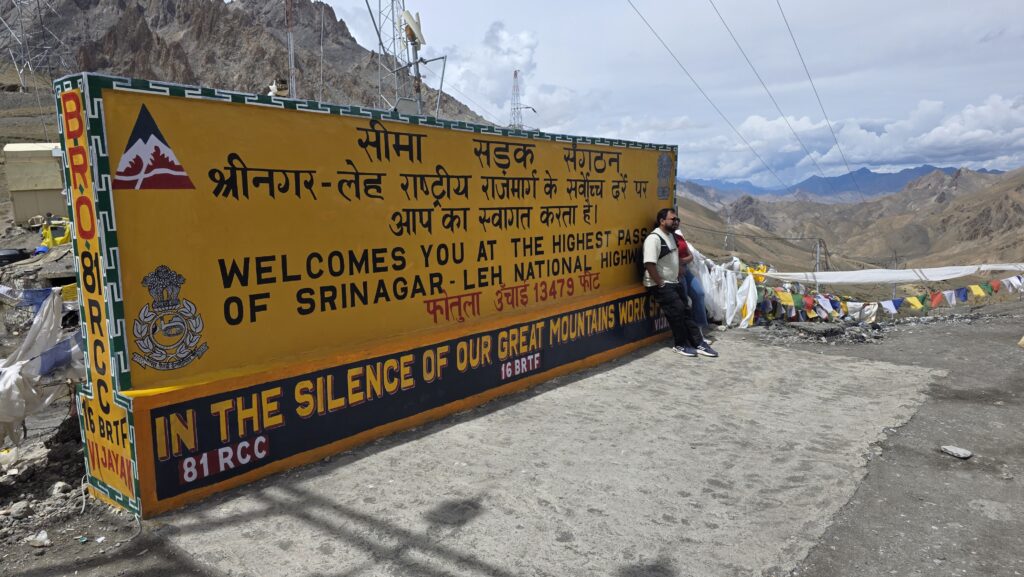
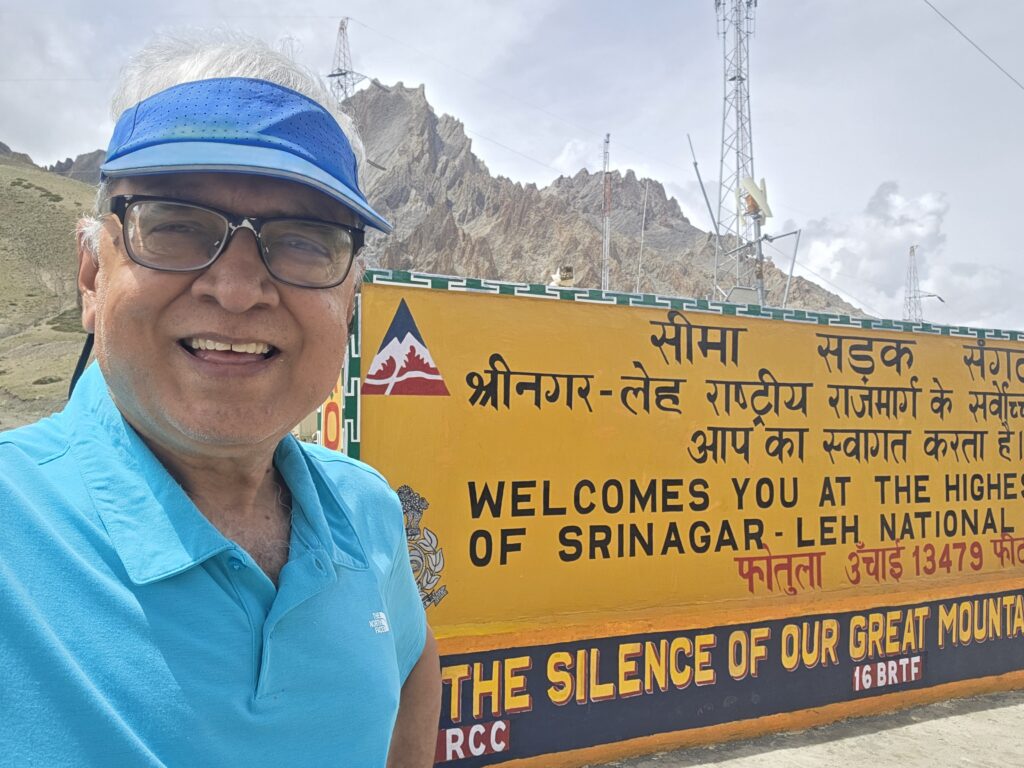
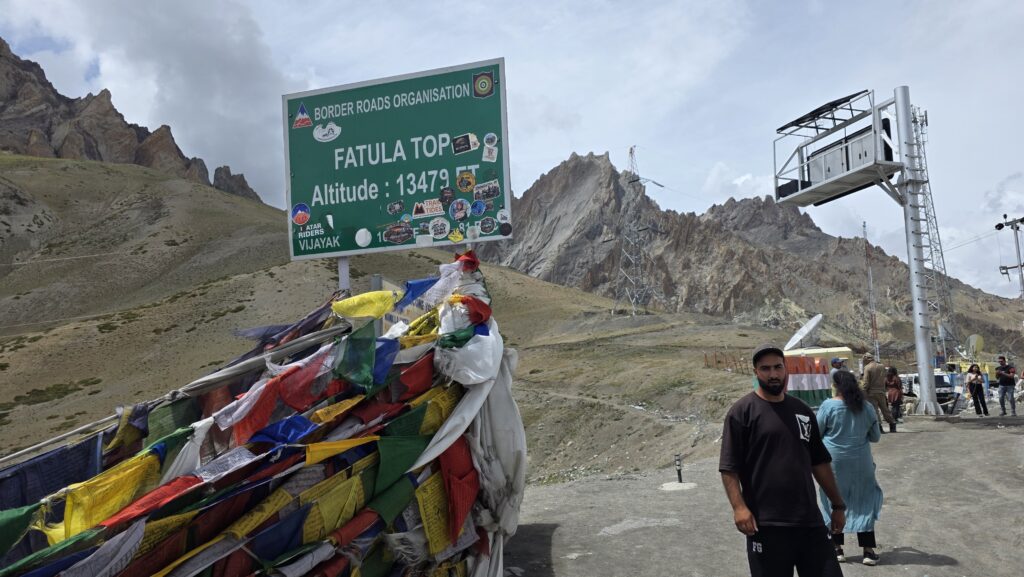
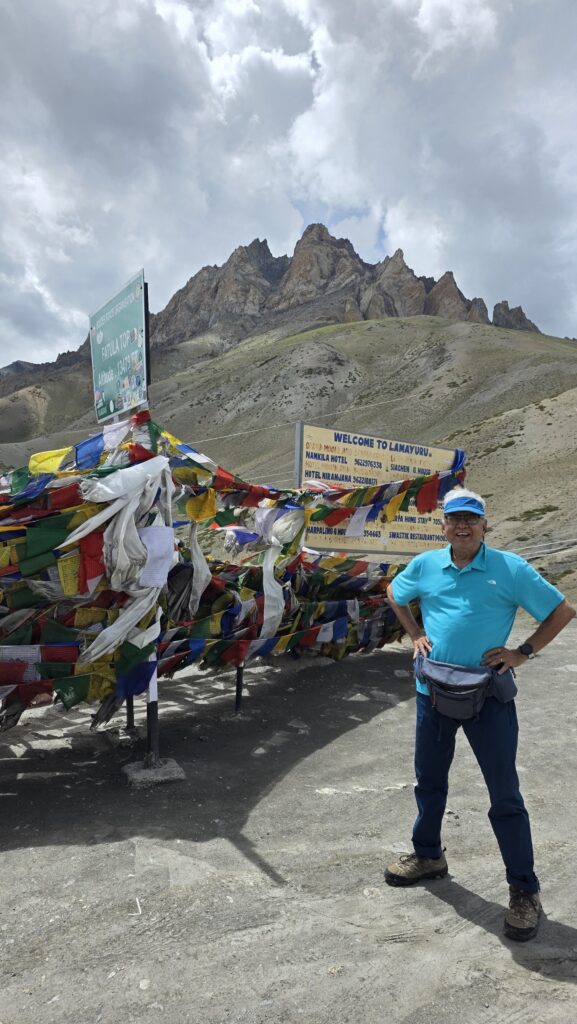
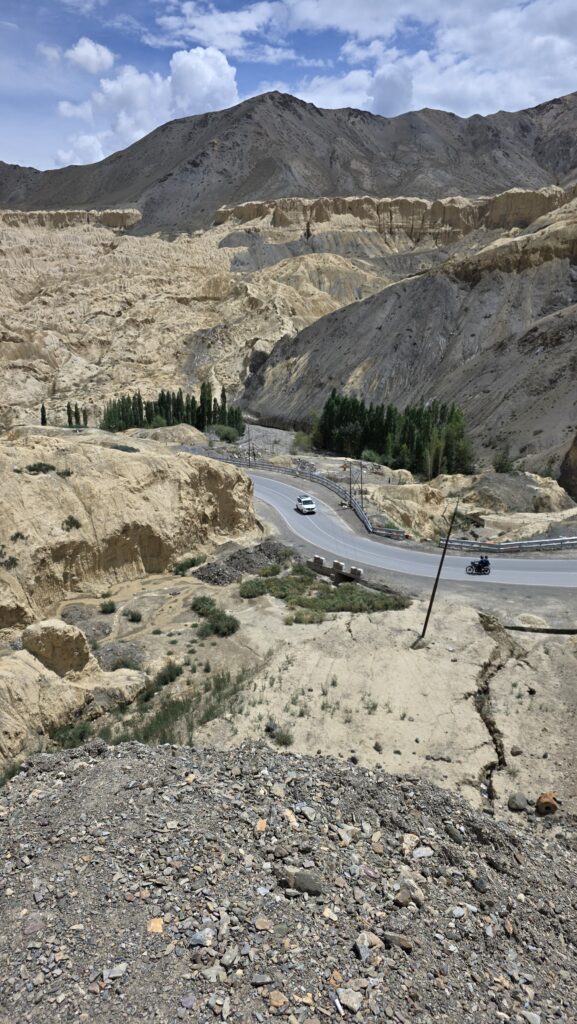
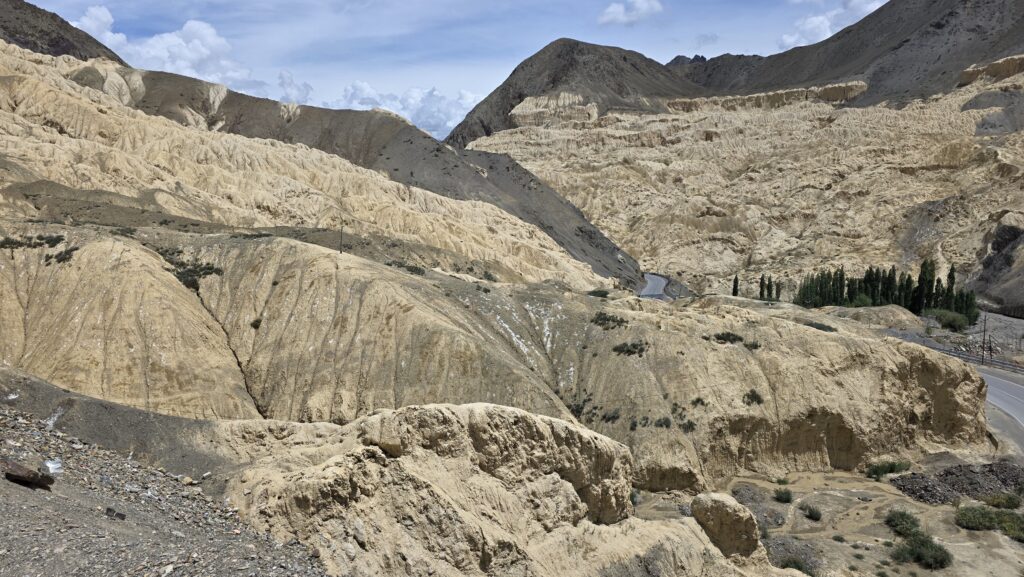
The highway climbed steadily upward, winding around mountains with the determination of a snake trying to solve a maze. Every time I thought we had reached the top, another peak appeared. “Surely that’s the highest point.” It never was. The Himalayas seem to operate on the principle that if you can still breathe comfortably, you’re not high enough yet.
The steep, winding climb toward Leh reminded me of an incident involving my old Dodge Caravan many years ago on a much less intimidating road. One morning, on my way to HP, the brakes failed. This was not ideal. I pulled the hand brake, slipped carefully in front of a bus, and managed to coast into the HP driveway with all the grace available to someone conducting an involuntary experiment in physics. Looking back, I suppose I dodged something that day.
And it wasn’t a mountain. It was a perfectly flat Roseville road.
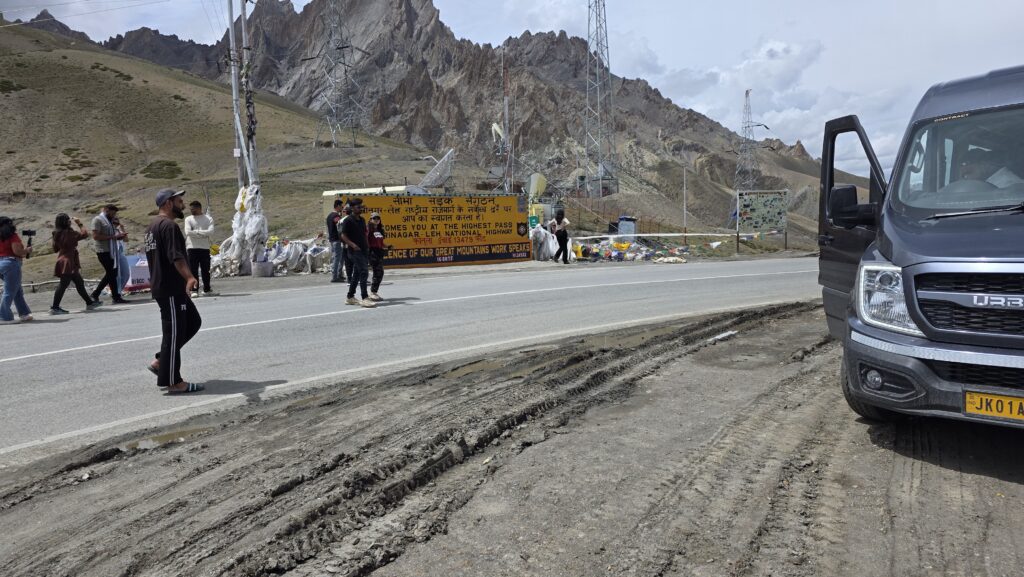
Today, however, I was in an Urbania, climbing roads that seemed to have been drawn directly onto the sides of mountains. The vehicle handled the ascent admirably. I, on the other hand, was beginning to struggle. As the altitude increased, the Urbana remained calm, steady, and professional. I became light-headed, short of breath, and increasingly interested in sitting down. The contrast was not flattering. I developed a mild case of altitude sickness, which is nature’s way of reminding you that oxygen is a luxury item in the Himalayas.
Oddly enough, despite all the warnings about freezing temperatures, I never needed most of the warm clothing I’d packed. For months I’d prepared for Arctic conditions. Instead, my suitcase spent the trip hauling enough winter gear to outfit a small polar expedition while I sat comfortably in the sunshine, wondering whether I had misunderstood both the weather forecast and the concept of packing light.
Thin Air, Deep History
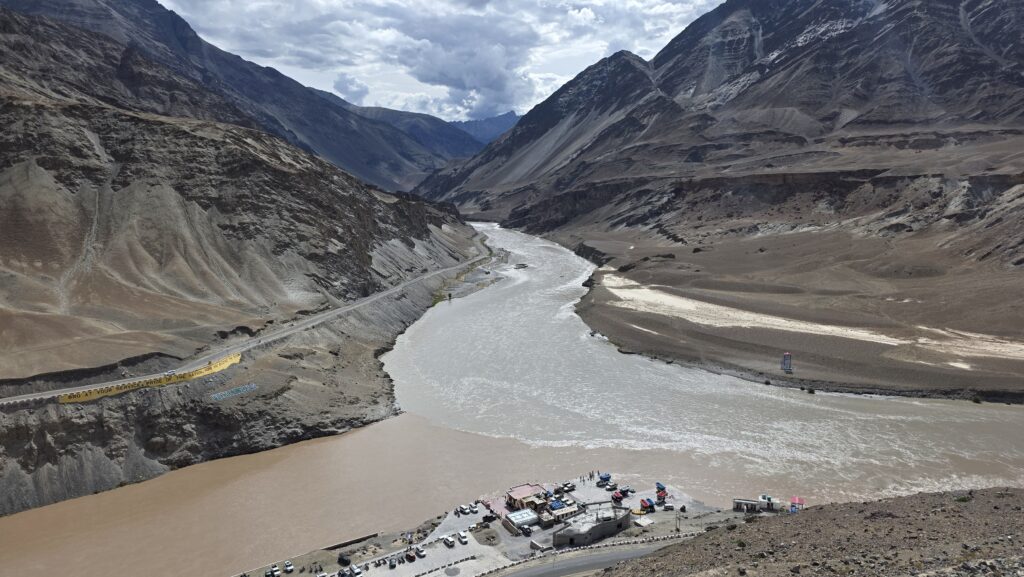
Eventually we reached the famous confluence of the Indus River. Standing beside it, I realized I owed this river more gratitude than I had previously appreciated. The Indus gave India its name. The word “India” traces back through “Indos” and “Hindu” to this very river.
Entire civilizations flourished along its banks. Indo-Aryan languages spread across the subcontinent. Without this river, history would have unfolded very differently. Without this river, I might not be standing here taking photographs of it while trying unsuccessfully to keep my hat from blowing away. Few tourist attractions can honestly claim partial responsibility for your existence. The Indus can.
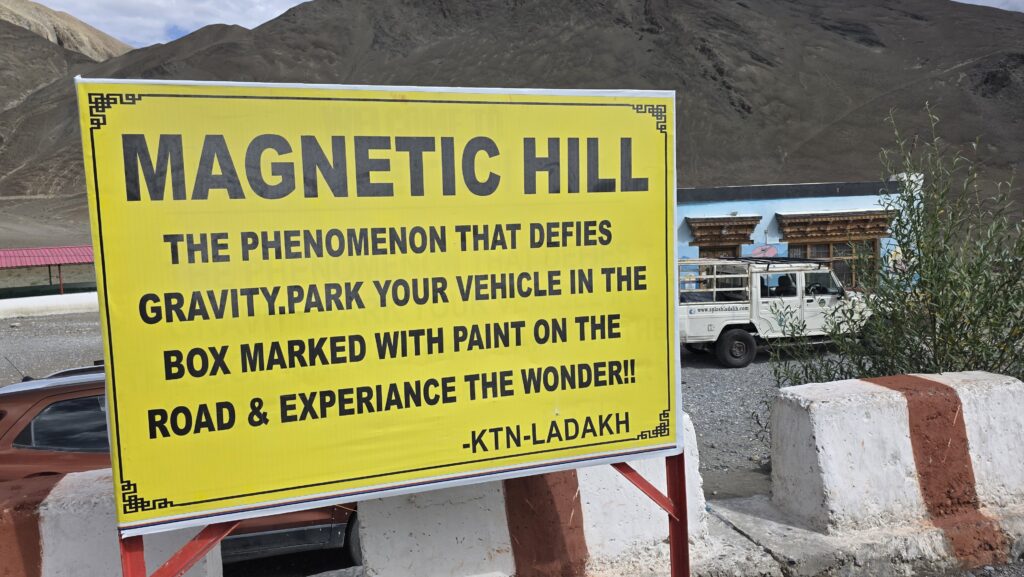
Magnetic Hill or Medical Condition?
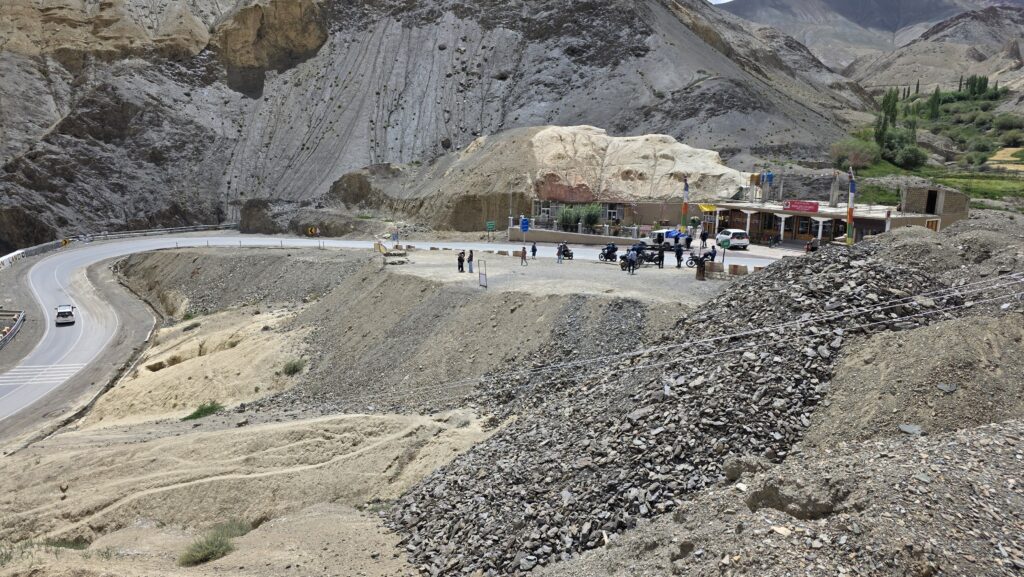
Next came Magnetic Hill, the famous spot where vehicles appear to roll uphill. The official explanation involves optical illusions and the surrounding landscape confusing the eye. This is apparently accepted science.
However, after several days at altitude, I felt qualified to offer an alternative theory. Perhaps everything was an optical illusion. Perhaps the mountain was moving. Perhaps I was moving. Perhaps we were all moving.
At that elevation, I wasn’t entirely convinced that gravity itself wasn’t improvising.
The vehicle appeared to roll uphill. The tourists appeared delighted. I appeared unconvinced.
A Final Stop and a Lesson in Service
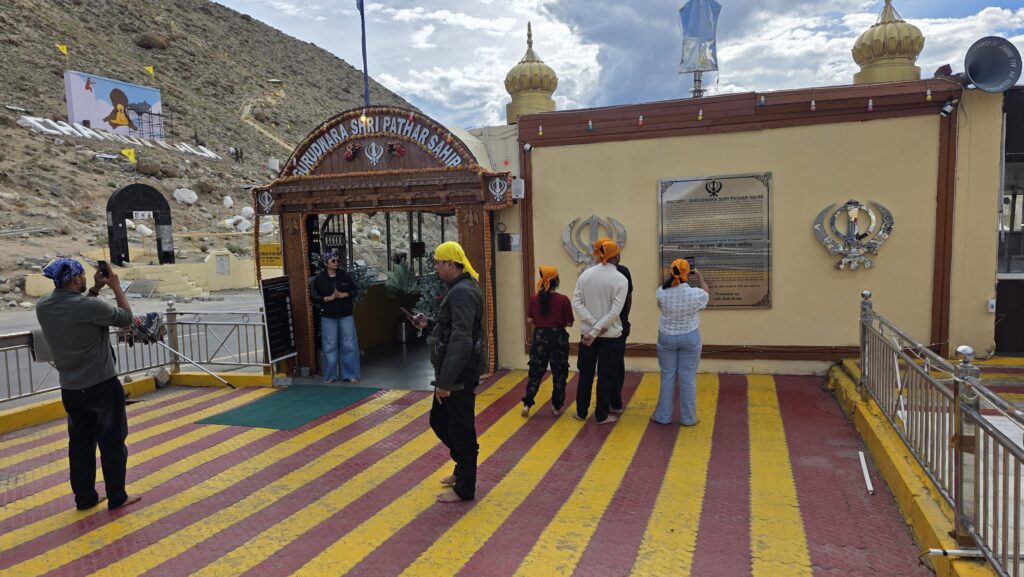
Before reaching Leh, we stopped at Gurudwara Pathar Sahib.
Maintained by the Indian Army, the gurudwara commemorates Guru Nanak’s visit to Ladakh and stands as a peaceful oasis amid a landscape that often feels larger than human existence itself. There was something particularly moving about seeing Army personnel caring for the shrine. In Ladakh, where military convoys are a constant presence and soldiers serve in some of the harshest conditions imaginable, the connection felt natural.
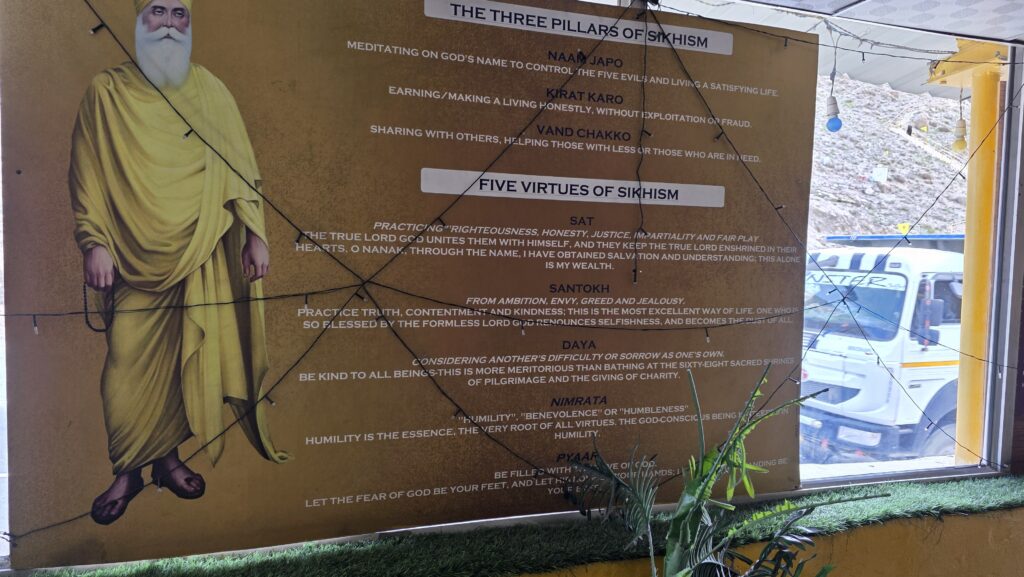
The Sikh tradition has long emphasized seva (selfless service), courage, humility, and standing up for others regardless of their faith or background. The Khalsa ideal combines the saint and the soldier — spiritual devotion paired with a willingness to protect and serve.
Those values have left a profound mark on India. Sikhs make up a small percentage of the country’s population, yet their contribution to the armed forces has been extraordinary for generations. From battlefields to border posts, from disaster relief to community kitchens feeding millions, service seems woven into the fabric of the faith.
At Pathar Sahib, surrounded by mountains, soldiers, and travelers from every corner of the country, that spirit felt very much alive.
After days of monasteries, glaciers, military checkpoints, high passes, and roads that routinely ignored the laws of geometry, it was a fitting final stop. The mountains inspired awe. The Indus inspired reflection. Magnetic Hill inspired skepticism. And the gurudwara inspired gratitude.
— Gita Iyer
Descendant of the Indus, Out of Breath but Grateful
The Part Where I Make You Look at More Photos
Comments
2 responses to “Kargil to Leh: High Roads and Higher Thoughts”
Entertaining and informative.
A nice birthday treat for me!
Thank you, Gita!
Great write up! I just relived my trip of a decade back!