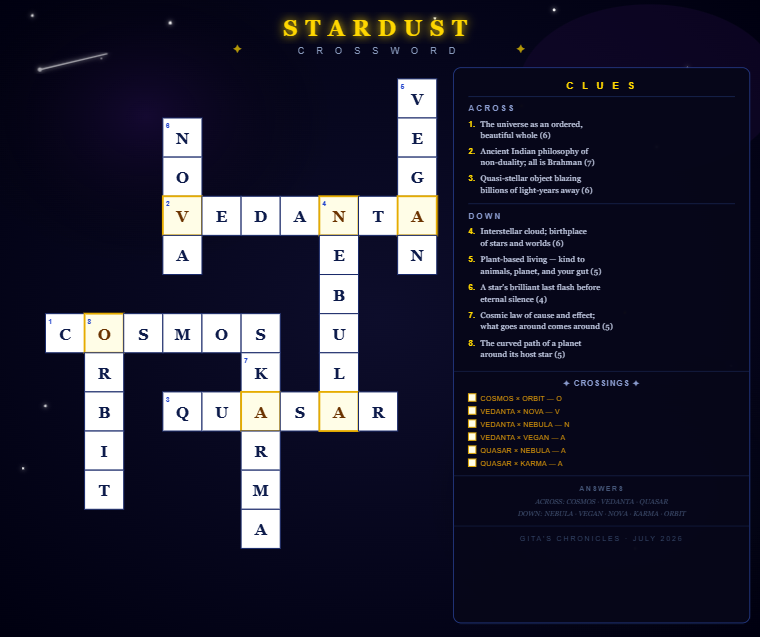
This morning began, as many profound journeys do, with a crossword clue and a cup of black chai spice tea.
The clue was innocent enough. Eleven letters. Something about agreement, divinity, and habitation. Twenty minutes later, I had learned nothing about the clue but had somehow wandered into articles about veganism, Vedanta, human evolution, and the age of the universe.
This is how retirement works.
One moment you’re searching for a word. Next, you’re contemplating the meaning of existence and wondering whether cavemen would have approved of oat milk.
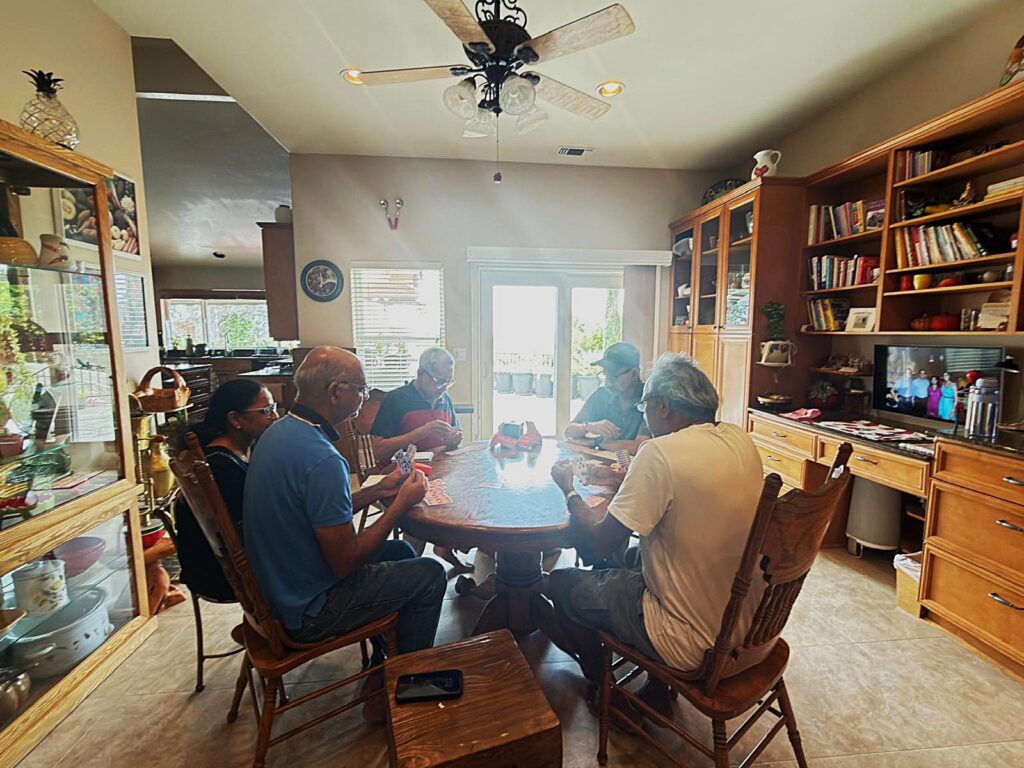
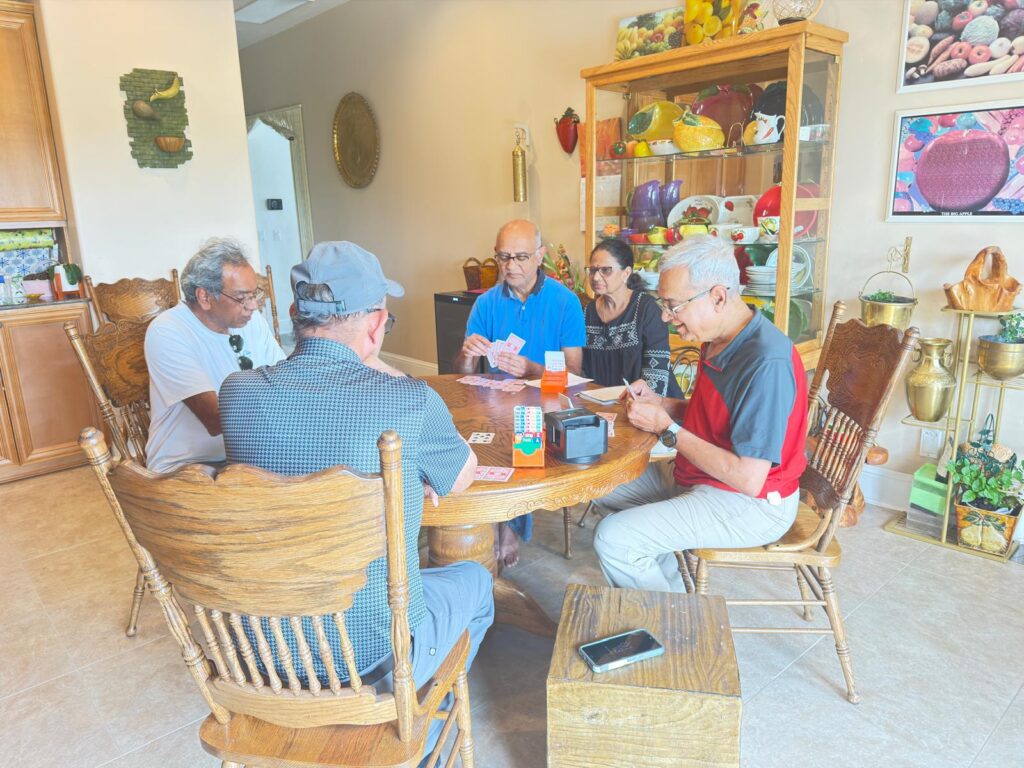
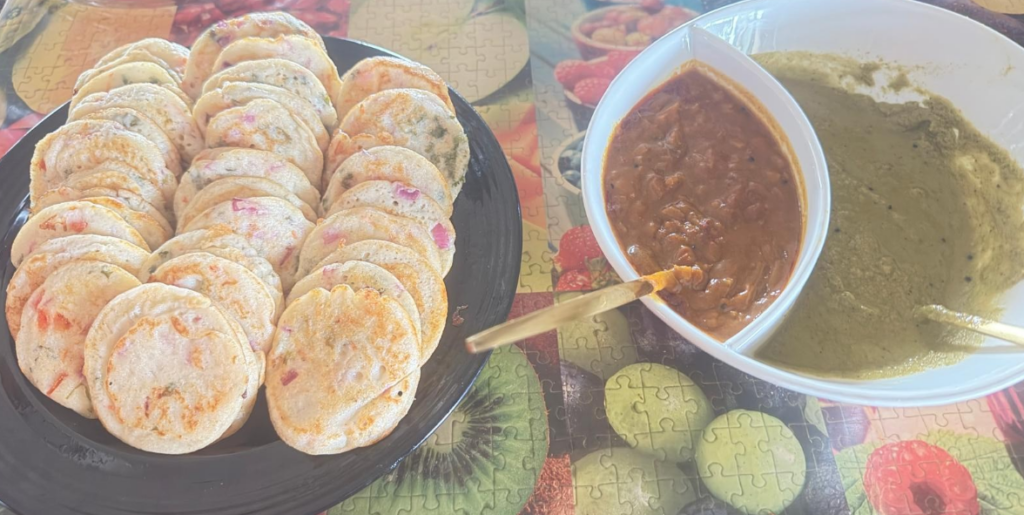
Somewhere along the way, I remembered that bridge players were arriving later in the day. A glance at the clock transformed me from philosopher back into caterer. The universe would have to wait; there were mini oothappams to make.
So the morning continued in the usual retired fashion: alternating between solving crosswords, getting sidetracked by fascinating rabbit holes, and periodically returning to the kitchen to stir batter, chop vegetables, and reassure myself that lunch would eventually happen.
Retirement, I’ve discovered, isn’t about having nothing to do. It’s about having so many interesting things to do that finishing any one of them becomes entirely optional. Today’s score: one partially solved crossword, several unanswered questions about humanity, and a platter of mini oothappams for the bridge players.
I’d call that a productive morning.
The Vegan Pendulum
The internet can’t decide whether veganism is thriving, dying, or merely changing outfits.
The reality is far less dramatic. Veganism remains remarkably strong worldwide and continues to grow in many regions, particularly across Asia, Latin America, and parts of Europe. While growth may have slowed in some Western countries, the broader movement shows no signs of disappearing. Many restaurants, grocery stores, and food manufacturers are quietly expanding their plant-based offerings — not with flashy marketing, but by simply making vegan choices a normal part of the menu.
More people are asking not just “What should I eat?” but “What impact does my food have on animals, the planet, and future generations?”
Human beings are fascinating.
For two million years, we chased mammoths with sticks. Then we invented agriculture. Then supermarkets. Then oat milk. Then arguments about oat milk.
Somewhere along the way, our ancestors who once celebrated finding a handful of edible berries would be astonished to discover their descendants standing in front of twenty varieties of plant-based milk, carefully debating oat versus almond.
Evolution never stops. It merely changes the questions. Instead of “Will this berry kill me?” we now ask, “Is this oat milk sustainably sourced, organically grown, and barista-approved?”
What Vedanta Knew Before Google
Vedanta proposes a startling idea.
You are not merely this body, this mind, or even the collection of thoughts currently wondering whether almond milk froths properly. At your deepest level, you are consciousness itself.
Modern non-dual teachings continue to attract interest because they address a question that no amount of internet browsing can answer: who is the one doing all the browsing?
The ancient sages didn’t have telescopes, particle accelerators, or smartphones. Yet they sat under trees and arrived at a conclusion that sounds surprisingly contemporary: everything is interconnected.
The cosmos agrees.
From Stardust to Crosswords
The universe is approximately 13.8 billion years old. Life emerged, evolved, and eventually produced creatures capable of wondering why they walked into the kitchen.Human evolution took millions of years. Bipedalism appeared. Brains expanded. Tools emerged. Language developed. And after all of that, we now use our remarkable intelligence to argue online about whether Pluto is a planet and whether “epee” is a legitimate crossword answer.
Our ancestors would be so proud.
The Cosmic Crossword
Sometimes I imagine the universe as one enormous cryptic crossword.
Clue: “Self ultimately found within infinite consciousness (3).”
Answer: YOU.
Every generation solves a few more clues. Astronomers study galaxies. Biologists study evolution. Historians study civilizations. Vedantins study awareness. Crossword enthusiasts study clues that seem deliberately written by mildly mischievous deities.
Everyone is searching for the same thing: understanding.
The Universe, One Clue at a Time
The cosmos produced stars. Stars produced elements. Elements produced planets. Planets produced life. Life produced humans. Humans produced Vedanta, vegan sausage rolls, and cryptic crosswords.
One of these may be the highest achievement of civilisation, but I leave that determination to future historians.
For now, the crossword remains unsolved, the oothappams were excellent, and the bridge players never suspected a thing.
For the Curious Mind
If this morning’s rabbit holes tempt you too, here is where mine led:
🌌 The Universe — NASA Science — for when you need to feel appropriately small
🌍 The Story of Earth — Origins — 4.5 billion years, helpfully summarised
🧘 Modern Non-Duality — Thirdwell — what Vedanta has been quietly saying all along
🦴 Human Evolution — Smithsonian — from bipedalism to arguments about oat milk, the full journey
Warning: clicking any of these may result in a cold cup of tea and an unsolved crossword.