🌱 Plant-based eating didn’t die. It just stopped asking for permission.
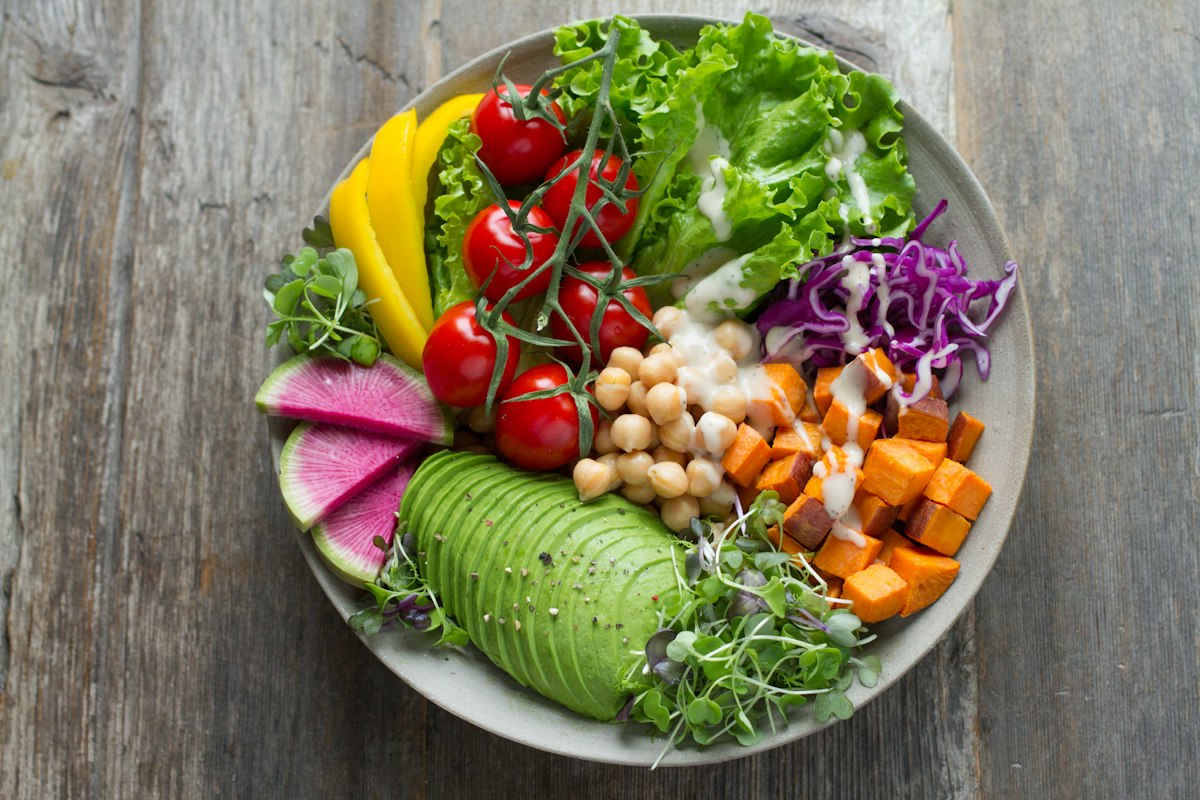
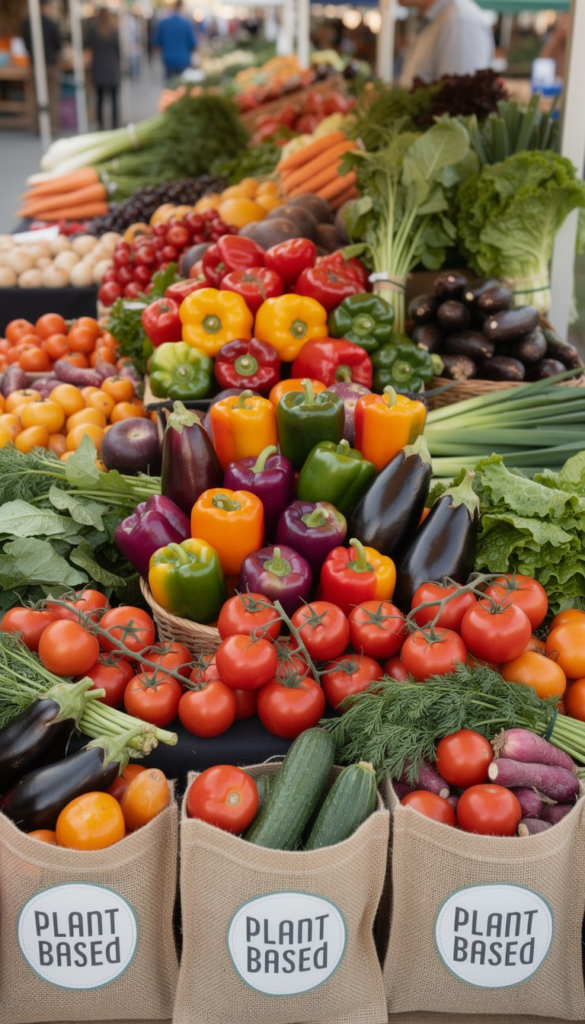
Abundant, colourful, unapologetic — this is what plant-based eating looks like in 2026.
There’s a version of this story where veganism peaked, stumbled, and faded quietly into the lifestyle section of newspapers nobody reads. The headlines have been cheerfully writing that version for three years. The actual story is more interesting.
The plant-based retail market was valued at $7.9 billion in 2025 — more than double its value in 2017. That’s not a movement in retreat. That’s a movement that stopped caring what you think of it and got on with the job.
What changed is not the numbers. What changed is the type of person eating plant-based food. The early adopters — the ones who wore it like a badge, who brought their own oat milk to dinner parties and mentioned it three times — they were loud, and they were visible, and their moment has passed. What replaced them is quieter and, frankly, more interesting. Today’s shoppers are prioritising taste, familiarity, value, and everyday relevance. In other words, the ideology left the building and the food stayed. That’s called winning.
The ideology left the building and the food stayed. That’s called winning.
The science is keeping pace. A Stanford-linked randomized twin study published in BMC Medicine found that an eight-week vegan diet was associated with favourable changes in epigenetic age measures compared with an omnivorous diet. Epigenetic age — meaning how old your cells actually behave, as opposed to what your passport says. Eight weeks. That’s not a lifetime of sacrifice. That’s roughly the length of a Netflix series you’d finish anyway.
Mushrooms and tempeh — the unlikely stars of the 2026 plant-based menu.
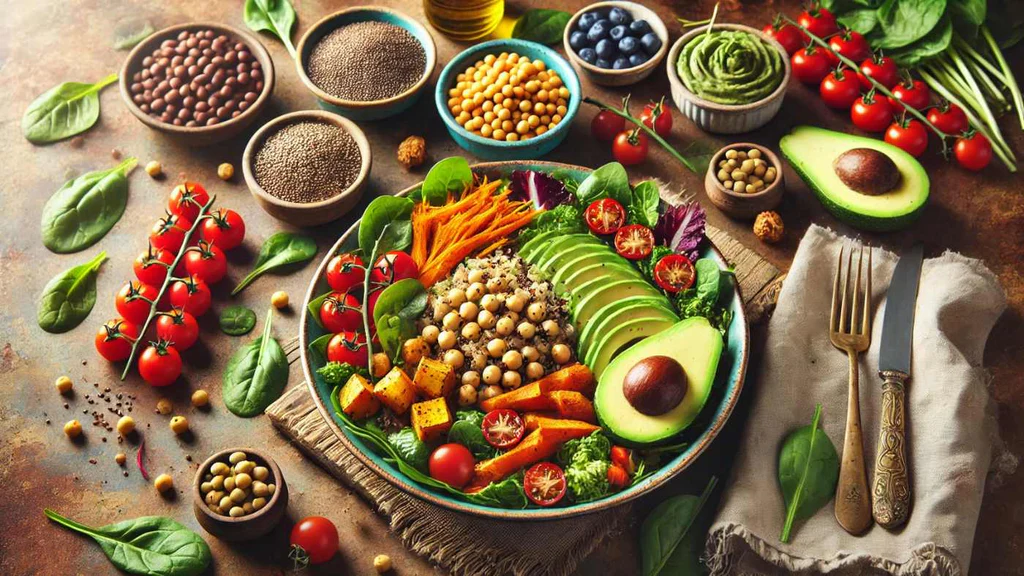
2026 is shaping up to be defined by fungi and fermentation-enabled alternative proteins, taste and texture breakthroughs, and whole foods and health-focused products. Mushrooms and tempeh are having their moment — not because someone decided they were trendy, but because they’re genuinely delicious and the food industry finally figured out how to work with them properly. Wagamama has built an entire wholefood vegan menu around mushrooms, tempeh, and tofu. A UK chain, beloved for decades, has made plants the headline act. That’s not a niche. That’s a menu.
Kimchi, miso, kombucha — fermentation is having its well-deserved moment.
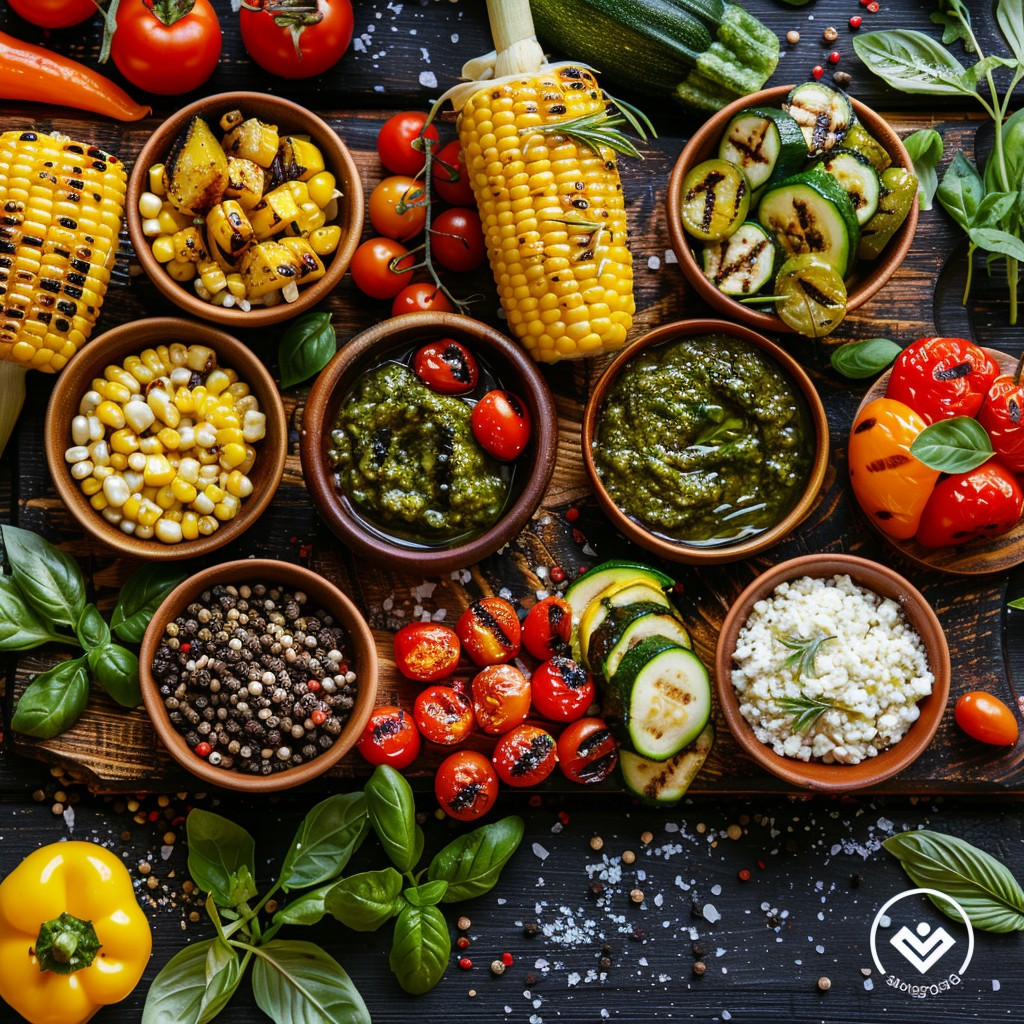
Fibre is emerging as “the new protein,” with consumers shifting their interest towards gut health and complete nutrition. Which means we’ve come full circle — back to lentils, legumes, grains, and root vegetables, the things humans ate for most of their existence before someone decided convenience was more important than digestion. The whole foods that researchers like Dr. Michael Greger have been patiently championing for years are now showing up in mainstream grocery aisles with very expensive branding on them. The science arrived at the same place the wisdom already was.
The whole foods the science has been championing for years are now showing up in mainstream grocery aisles with very expensive branding on them. The science arrived at the same place the wisdom already was.
Across Europe, plant-based food sales volumes grew in four of six major European markets in 2025, driven by narrowing price gaps with animal-based equivalents. Price parity — the thing the industry said would take decades — is happening now. When the plant-based option costs the same as the animal-based one, most people’s decision suddenly gets a lot simpler.
This is what a flourishing movement looks like. Not loud. Not self-congratulatory. Just steadily, methodically becoming the normal thing people do without making a fuss about it. The revolution, it turns out, will not be hashtagged. It’ll just be lunch.
For Further Interest
🔬 NutritionFacts.org — Dr. Michael Greger
The gold standard for evidence-based plant-based nutrition research. Free, rigorous, and updated constantly.🌿 Going Vegan: Becoming the Parent My Children Already Are — iyer.family
A personal story about plant-based living, family, and the quiet everyday choices that add up to something meaningful.